

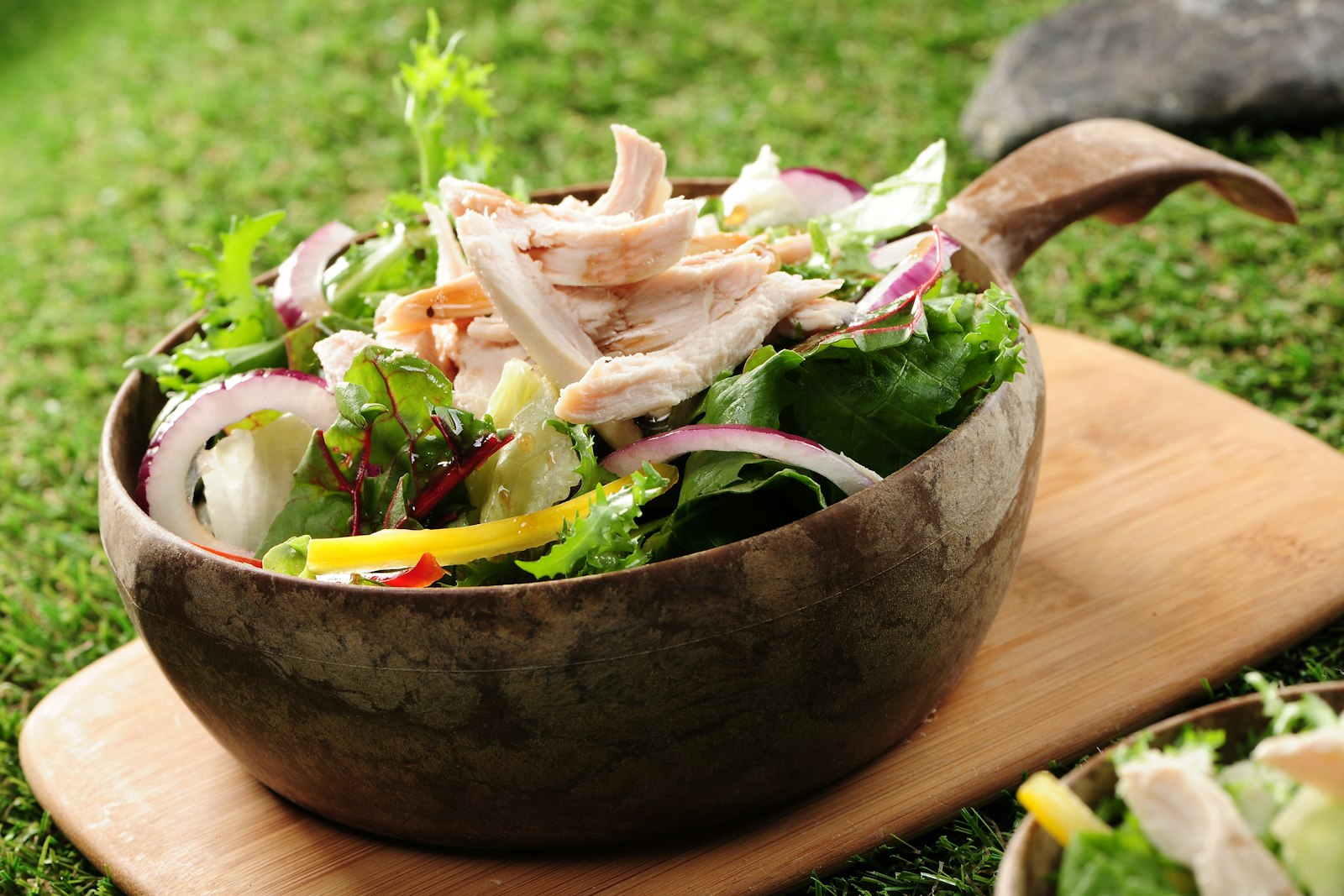
Ozempic and Wegovy are the same medicine, semaglutide, made by the same company. So is the advice on what to eat different? Mostly no. The food rules are the same. What differs is who each one is approved for, the doses, and, if you have type 2 diabetes, how carbs and other medicines fit in.
Ozempic vs Wegovy, at a glance
In a nutshell
- Both are weekly semaglutide injections; Wegovy also comes as a daily pill.
- Ozempic tops out at 2 mg a week; Wegovy’s usual maintenance dose is 2.4 mg.
- The eating advice is the same: protein first, half the plate vegetables, small meals.
- With diabetes, carb consistency and low blood sugar risk matter more.
- Only the Wegovy pill (and Rybelsus) come with a morning food-timing rule.
Ozempic vs Wegovy: side by side
| Ozempic | Wegovy | |
|---|---|---|
| Medicine | Semaglutide | Semaglutide |
| Approved for (US) | Type 2 diabetes: blood sugar control, and lowering heart and kidney risks in some adults | Weight management, and lowering heart risks in some adults |
| Form | Weekly pen | Weekly pen or daily pill |
| Dose steps | 0.25 mg for 4 weeks, then 0.5 mg; can go to 1 mg and 2 mg | 0.25, 0.5, 1, 1.7, then 2.4 mg every 4 weeks |
| Top dose | 2 mg a week | 2.4 mg a week usual maintenance (a higher dose exists for some) |
| Food timing | Any time, with or without meals | Pen: any time. Pill: empty stomach, wait 30 minutes |
| What to eat | Protein-first, small, low in grease and sugar | The same |
From the US prescribing information for each product. Your prescriber chooses your medicine and dose.
Food advice: what's the same
A GLP-1 friendly low-carb plate. On a small appetite, shrink the whole plate rather than skipping the protein.
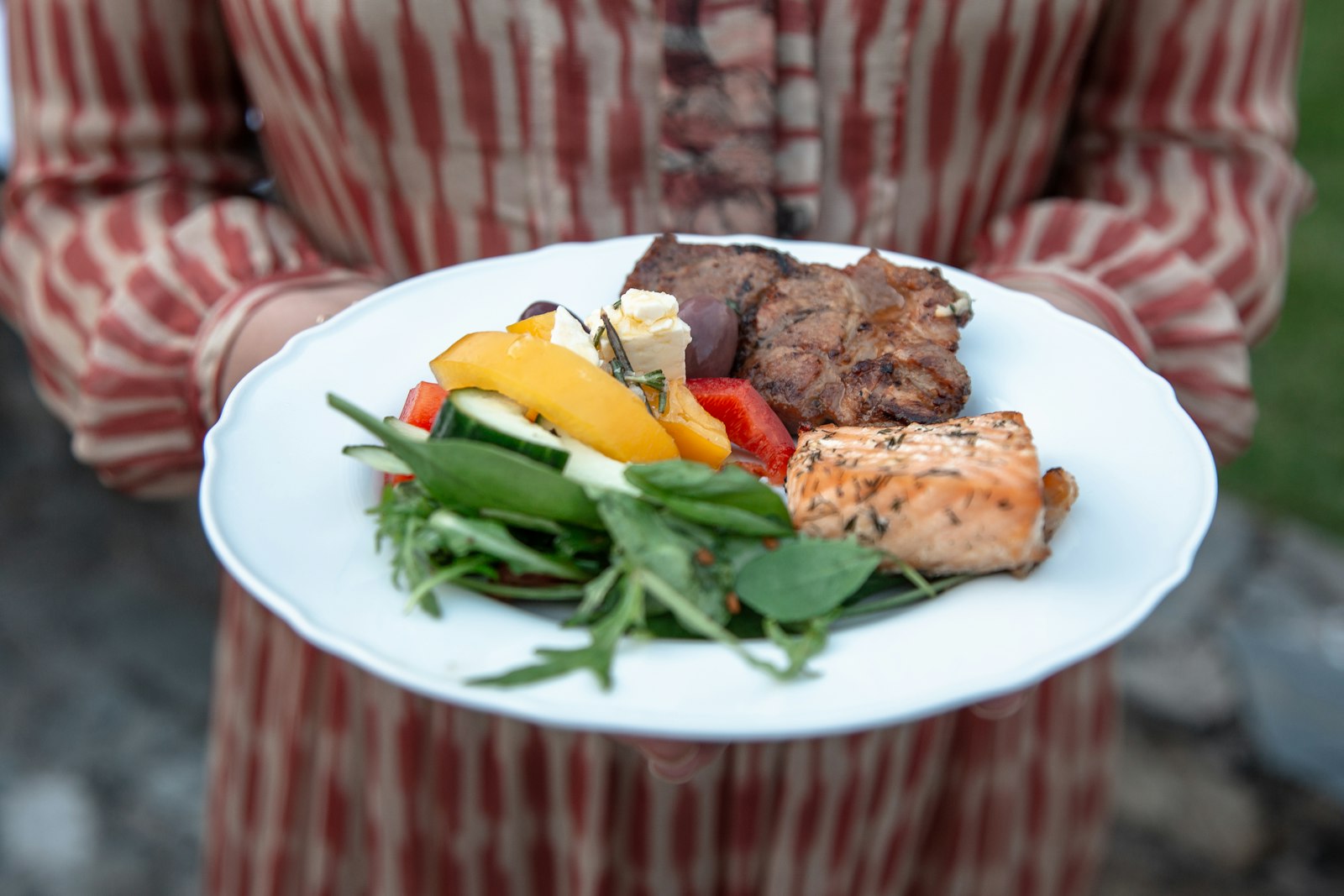
Both medicines slow stomach emptying and turn appetite down, so the same plate works: protein first (about 0.55 to 0.7 g per pound of body weight a day has been proposed), half the plate non-starchy vegetables, moderate fat, and fluids through the day. Both share the same common side effects, mainly nausea, diarrhea, vomiting and constipation, so the same food fixes apply:
| If you have | Try | Go easy on | Call your doctor if |
|---|---|---|---|
| Nausea | Small, cool or plain meals; eggs, yogurt, plain seed crackers, broth, ginger tea | Greasy, fried, very sweet or strong-smelling food; lying down after eating | You can’t keep fluids down for a day |
| Constipation | Fluids through the day, cooked vegetables, chia or flax added slowly, a daily walk | Large amounts of cheese and processed meat, very low fluid | No bowel movement for several days, or severe pain |
| Diarrhea | Fluids with electrolytes, plain chicken or fish, eggs, cooked carrots, broth | Sugar alcohols (in many keto sweets), very fatty meals, lots of coffee | It lasts more than 2 days or you feel dizzy |
| Heartburn, burping | Smaller meals, eating slowly, dinner 3 hours before bed | Fizzy drinks, alcohol, spicy and very fatty food, eggs if they cause sulfur burps | Pain is severe or spreads to your back |
| Low energy | Protein at every meal, enough fluids and salt (low-carb diets lose water), a steady meal rhythm | Skipping meals because you’re not hungry | You feel faint, shaky or confused |
Full guides: what to eat on Ozempic and the Wegovy diet guide.
What changes if you have type 2 diabetes
| Topic | Why it matters on Ozempic |
|---|---|
| Low blood sugar | More likely if you also take insulin or a sulfonylurea; your prescriber may adjust those when you cut carbs |
| Carb consistency | Similar carbs at similar times makes blood sugar easier to manage |
| Skipped meals | Can cause lows on some diabetes medicines; keep a small protein snack handy |
| Alcohol | Can lower blood sugar, especially on an empty stomach |
| Eye checks | The label notes diabetic eye disease complications; keep up regular eye exams |
If you have type 2 diabetes: Ozempic is often taken alongside other diabetes medicines. The label warns that low blood sugar is more likely if you also take insulin or a sulfonylurea, so check with your prescriber before cutting carbs sharply or changing how often you eat.
The pill versions: Wegovy pill and Rybelsus
Semaglutide also comes as a tablet: the Wegovy pill for weight management and Rybelsus for type 2 diabetes. Both come with a morning routine: take on an empty stomach with up to 4 oz of plain water, then wait at least 30 minutes before food, drinks or other oral medicines. See our Wegovy pill food guide.
Switching between Ozempic and Wegovy
Switching is a medical decision about dose and approval, not food. If you switch, keep the same eating routine, and expect side effects to return briefly if your dose goes up.
Ozempic vs Wegovy FAQs
Is the Ozempic diet the same as the Wegovy diet?
Yes. Both are semaglutide and share the same food advice: protein-first, small meals, plenty of vegetables, little greasy or sugary food.
What is the difference between Ozempic and Wegovy?
Ozempic is approved for type 2 diabetes, up to 2 mg a week. Wegovy is approved for weight management, usually 2.4 mg a week, and also comes as a daily pill.
Do Ozempic and Wegovy have the same side effects?
They share the same common digestive side effects: nausea, diarrhea, vomiting, constipation and stomach pain.
Can I eat carbs on Ozempic?
Yes. Many people with diabetes do well with moderate, consistent carbs from whole foods. Check big changes with your prescriber.
Do I need to time meals with Ozempic?
No. The Ozempic injection can be taken at any time, with or without meals.
Get a free GLP-1 friendly meal plan
Seven days of high-protein, low-carb meals in small portions, with a prep-day guide and shopping list. Or switch the meal planner to GLP-1 mode.
Sources
- FDA. OZEMPIC (semaglutide) injection: US prescribing information, revised May 2026
- DailyMed. WEGOVY (semaglutide) injection and tablets: US prescribing information, updated June 2026
- Mozaffarian D, et al. Nutritional priorities to support GLP-1 therapy for obesity: a joint Advisory (ACLM, ASN, OMA, TOS). Am J Clin Nutr, 2025
This article is general information about food and nutrition, not medical advice. Ozempic and Wegovy are prescription medicines: follow your prescriber’s instructions, and talk to them or a registered dietitian before making big changes to how you eat, especially if you have diabetes, kidney disease or a history of disordered eating.