
Protein is the nutrient most likely to fall short when a GLP-1 medicine shrinks your appetite, and it’s one of the most important for protecting muscle while you lose weight. Here’s what current guidance says, how to find your number, and how to reach it on a low-carb diet.
The numbers
- About 1.2–1.6 g per kg of body weight a day has been proposed during active weight loss.
- Or a simpler 80–120 g a day.
- Spread it across meals: around 20–35 g each.
What the guidance says
A 2025 joint advisory from the American College of Lifestyle Medicine, the American Society for Nutrition, the Obesity Medicine Association and The Obesity Society reviewed nutrition for people on GLP-1 medicines. It notes that protein targets of about 1.2–1.6 g per kg of body weight per day have been proposed during active weight reduction, and that an absolute target of 80–120 g a day may be easier to follow while still being enough.
It also points out that if you have a lot of weight to lose, using your actual body weight can overestimate how much protein you need. That’s why a clinician or dietitian may give you a personal number.
Work out your target
Multiply your weight in kg by 1.2 and by 1.6 to get your range. For example:
- 70 kg: about 84–112 g a day
- 90 kg: about 108–144 g a day (the 80–120 g range may suit you better)
- 110 kg: about 132–176 g a day (ask your clinician for a personal target)
Or let our keto macro calculator do it: switch on the GLP-1 setting and it gives you a protein range, adjusted for higher body weights, plus a per-meal guide.
What 100 g of protein looks like
Using USDA figures, here’s one way to reach around 100 g in four small meals:
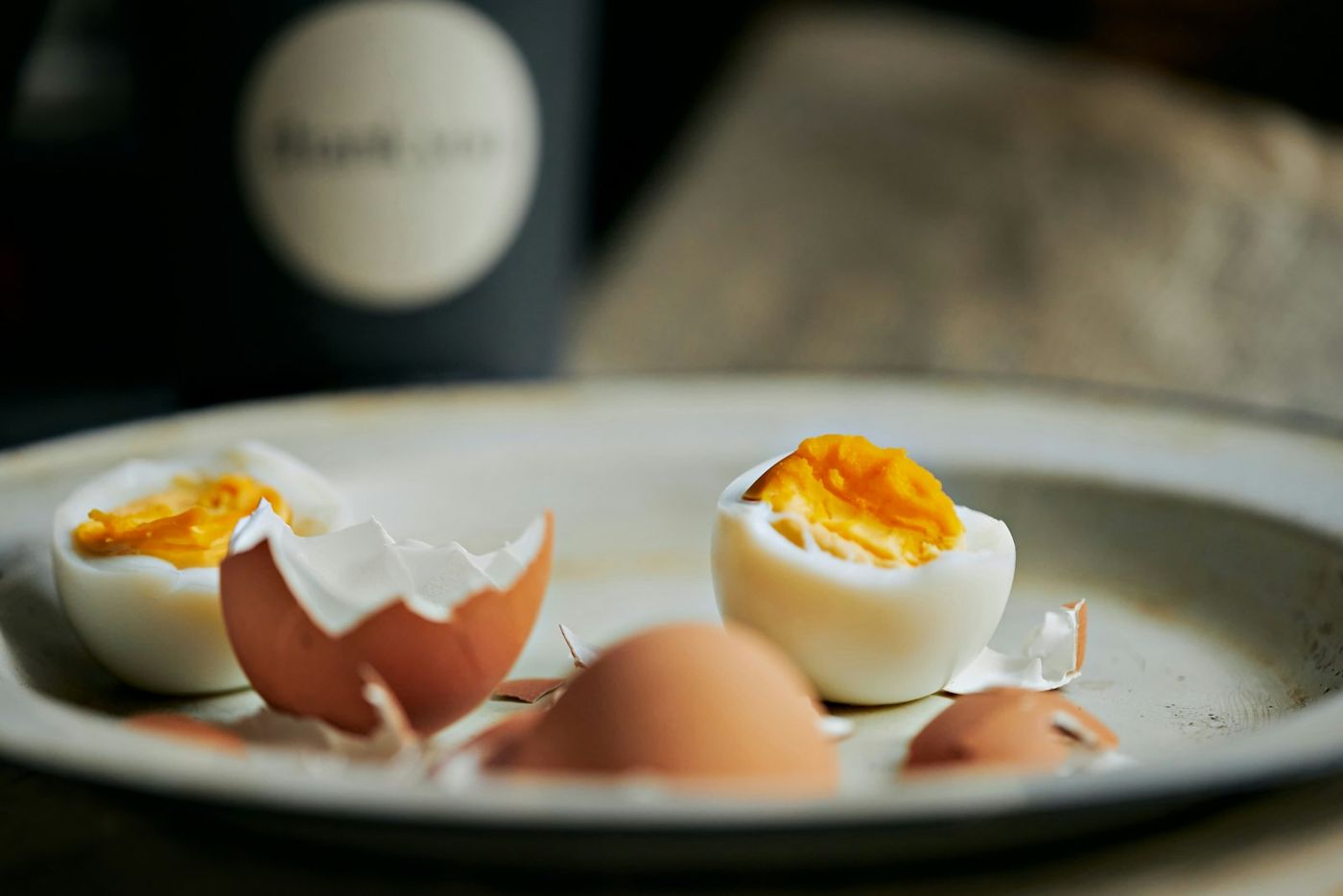
- Breakfast: ¾ cup Greek yoghurt (15 g) with chia seeds, or 2 eggs (13 g).
- Lunch: a can of tuna, drained (30 g), with salad.
- Snack: ½ cup cottage cheese (13 g).
- Dinner: 130 g cooked chicken breast (about 40 g) with vegetables.
Tips when you can’t eat much
- Eat the protein part of each meal first.
- Choose dense sources: chicken, fish, Greek yoghurt, cottage cheese, eggs and tofu.
- Have regular small meals rather than waiting until you feel hungry.
- A protein shake can bridge the gap on low-appetite days, as the advisory notes.
Protein isn’t enough on its own
The advisory is clear that more protein alone probably won’t preserve muscle without structured strength training. It recommends strength training at least three times a week plus at least 150 minutes of moderate aerobic activity. Read more in how to avoid losing muscle on a GLP-1.
For recipes that make it easier, try our 12 high-protein, low-carb meals, and see the complete guide to keto on GLP-1 medication.
Make it easy this week
Get our free 7-day GLP-1 friendly keto plan, with a prep-day guide and shopping list, or switch the meal planner to GLP-1 mode.
Sources
- Mozaffarian D, et al. Nutritional priorities to support GLP-1 therapy for obesity: a joint Advisory (ACLM, ASN, OMA, TOS). Am J Clin Nutr, 2025
- USDA FoodData Central
This article is general information about food and nutrition, not medical advice. GLP-1 medicines are prescription drugs: follow your prescriber’s instructions and talk to them or a registered dietitian before making big changes to how you eat, especially if you have diabetes, kidney disease or a history of disordered eating.