
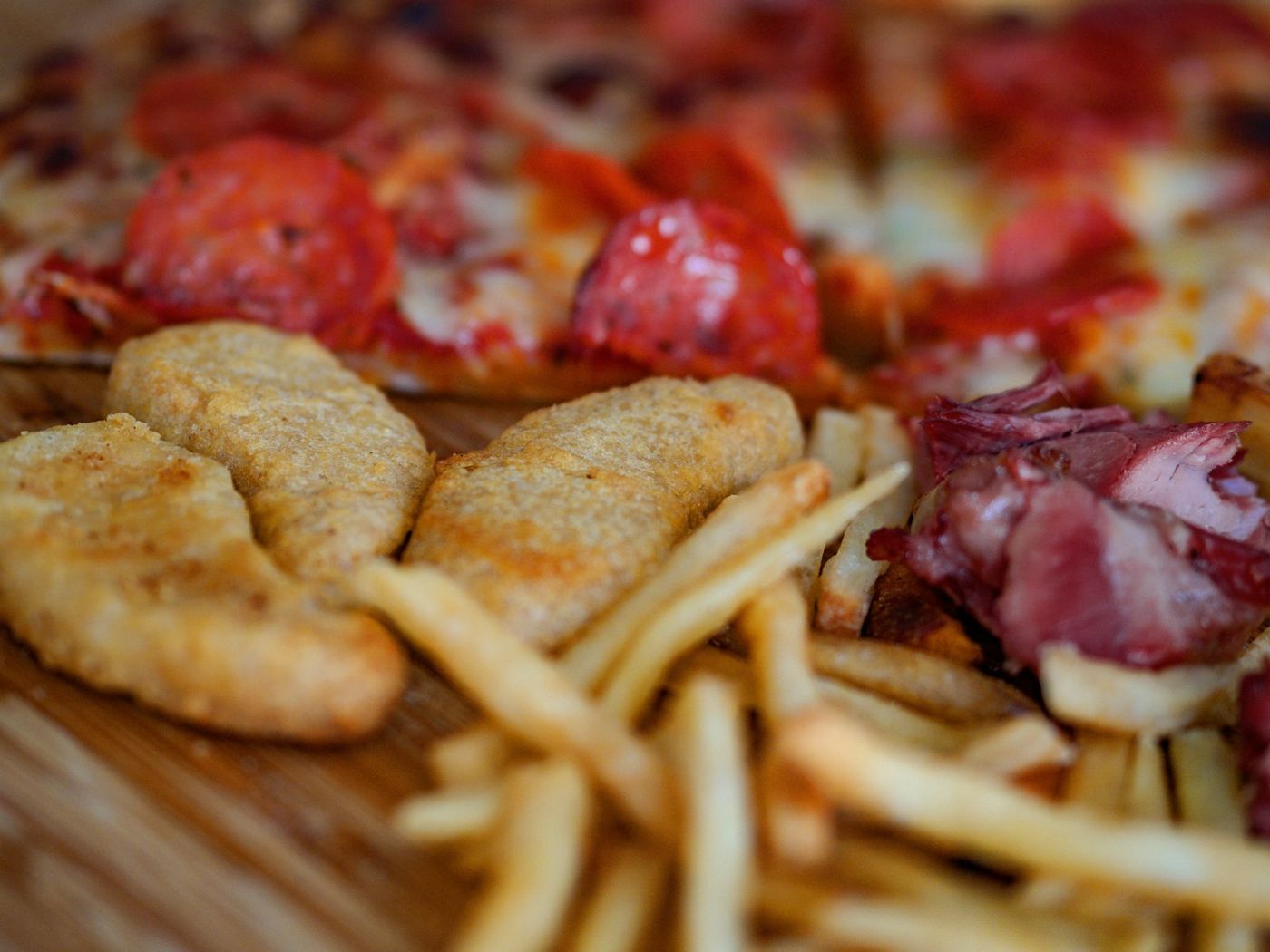
No food is completely off limits on a GLP-1 medicine, but some are much more likely to leave you feeling sick, bloated or uncomfortable. The reason is simple: these medicines slow down how fast food leaves your stomach. Anything that’s already slow to digest, or that comes in a big portion, sits there even longer.
The short list
- Big portions of anything.
- Greasy, fried and very high-fat foods.
- Sugary foods and drinks.
- Refined carbs and ultra-processed snacks.
- Alcohol.
- Very spicy food, if it bothers you.
1. Large meals
The 2025 joint advisory on GLP-1 nutrition notes that vomiting is more likely with large meals and recommends regular, small meals at consistent times instead. Use a smaller plate, eat slowly, and stop at the first sign of fullness.
2. Greasy, fried and very fatty foods
Cleveland Clinic explains that greasy or high-fat foods can cause indigestion, nausea, vomiting or heartburn because they stay in the stomach longer on these medicines. That includes takeaway pizza, fried chicken, chips and doughnuts. It also matters for keto eaters: big “fat bomb” snacks, heavy cream sauces and very fatty cuts can cause the same problems.
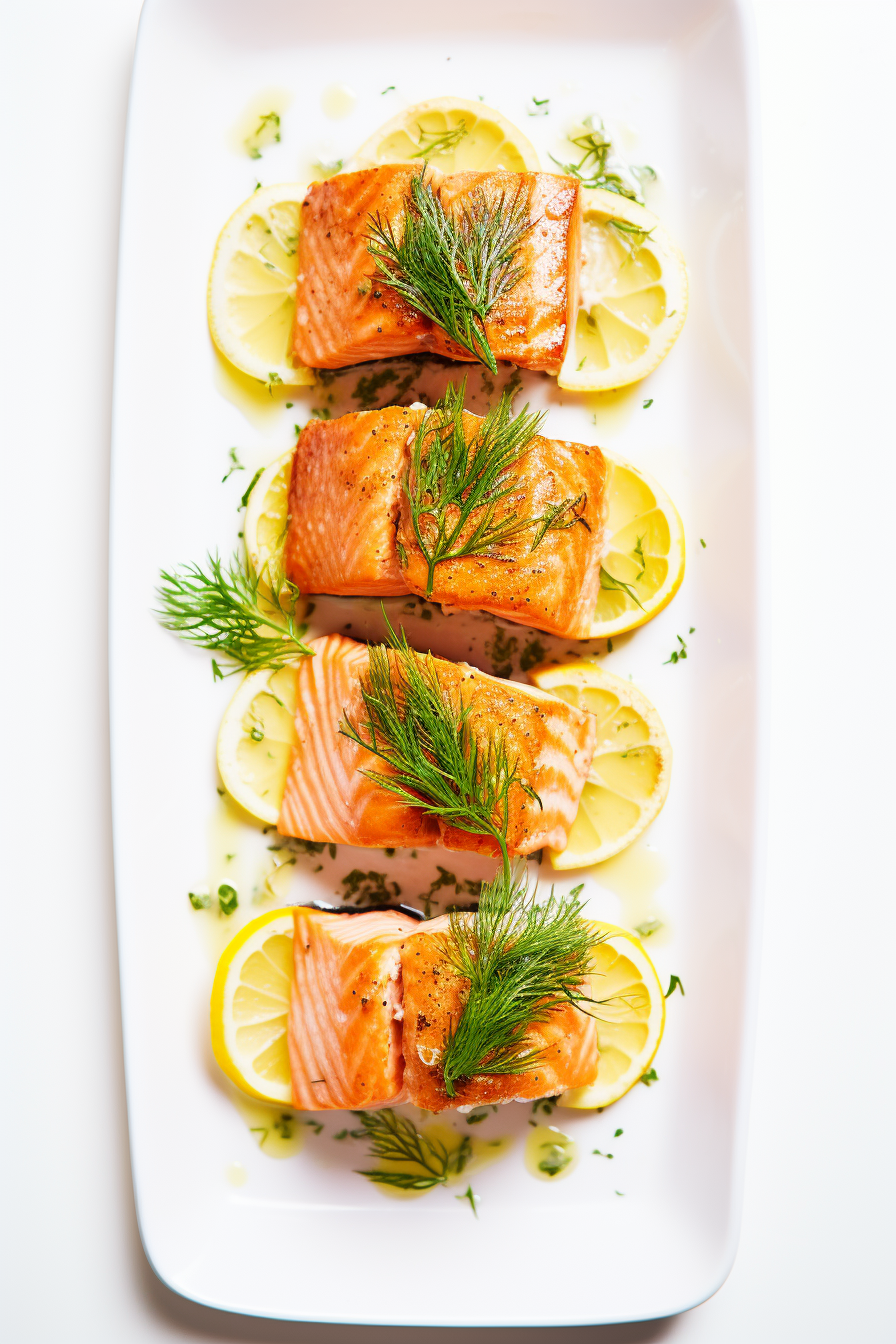
Instead: grilled or baked chicken and fish, lean mince, and fat used for flavour (a drizzle of olive oil, a few olives) rather than as the main event.
3. Sugary foods and drinks
Cakes, biscuits, sweets, juice and fizzy drinks are on most “foods to limit” lists for GLP-1 users. They add calories without protein or fibre and can make side effects worse. A low-carb diet already leaves these out.
Instead: berries with Greek yoghurt, or a small sugar-free dessert. Go steady with “keto” sweets made with sugar alcohols such as maltitol or sorbitol, which can upset your stomach.
4. Refined carbs and processed snacks
White bread, crackers, white rice, crisps and pastries are quick to eat and easy to overdo, but they offer little protein and fibre.
Instead: cauliflower rice, courgette noodles, a handful of nuts or seeds, or cheese with cucumber. Check anything you’re unsure about in our Is It Keto? checker.
5. Alcohol
The joint advisory says alcohol may worsen nausea and reflux with GLP-1 therapy and should be kept to a minimum. If you take diabetes medicines, alcohol can also affect your blood sugar, so check with your doctor.
6. Very spicy food (for some people)
Cleveland Clinic also lists spicy foods such as hot sauce and hot peppers as possible triggers. Not everyone is affected, so notice how you feel and adjust.
What to eat instead
Build meals around lean protein and non-starchy vegetables, with a little healthy fat. Our low-carb GLP-1 food list and 12 high-protein, low-carb meals are good places to start, and the complete guide to keto on GLP-1 medication covers side effects in more detail.
Make it easy this week
Get our free 7-day GLP-1 friendly keto plan, with a prep-day guide and shopping list, or switch the meal planner to GLP-1 mode.
Sources
- Mozaffarian D, et al. Nutritional priorities to support GLP-1 therapy for obesity: a joint Advisory (ACLM, ASN, OMA, TOS). Am J Clin Nutr, 2025
- Cleveland Clinic. Can certain foods impact your Ozempic side effects?
- Cleveland Clinic. How to manage the digestive side effects of GLP-1 medications
This article is general information about food and nutrition, not medical advice. GLP-1 medicines are prescription drugs: follow your prescriber’s instructions and talk to them or a registered dietitian before making big changes to how you eat, especially if you have diabetes, kidney disease or a history of disordered eating.