When a GLP-1 medicine like Ozempic, Wegovy or Mounjaro turns your appetite right down, every bite has to work harder. You need enough protein to protect your muscle, enough fibre and fluid to keep things moving, and foods that won’t upset a stomach that’s emptying more slowly than it used to.
This list is built for people who also want to eat low carb. It follows the main points of a 2025 joint advisory on nutrition for GLP-1 treatment from four US obesity and nutrition societies, adapted for a keto-style kitchen.
In a nutshell
- Build every meal around protein, and eat that part first.
- Fill half your plate with non-starchy vegetables.
- Keep fat moderate: enough for flavour, not big greasy meals.
- Sip fluids through the day and add fibre gradually.
Protein foods (start here)
The advisory notes that protein targets of about 1.2–1.6 g per kg of body weight a day have been proposed during weight loss, or a simpler 80–120 g a day. On a small appetite, that means choosing foods that pack a lot of protein into a small portion:
- Chicken and turkey: about 31 g of protein per 100 g of cooked chicken breast.
- Fish and seafood: salmon, cod, tuna, prawns and sardines. A drained can of tuna has around 30 g.
- Eggs: two large eggs give about 13 g, and they’re easy to eat when you don’t feel like much.
- Greek yoghurt and cottage cheese: about 15 g in ¾ cup of Greek yoghurt and 13 g in ½ cup of cottage cheese.
- Tofu and tempeh for plant-based protein: about 22 g in ½ cup of firm tofu.
- Lean beef, pork and lamb, choosing leaner cuts if fatty meat makes you queasy.
Not sure how much you need? Use our keto macro calculator with the GLP-1 setting, or read how much protein you need on a GLP-1.
Low-carb vegetables (half your plate)
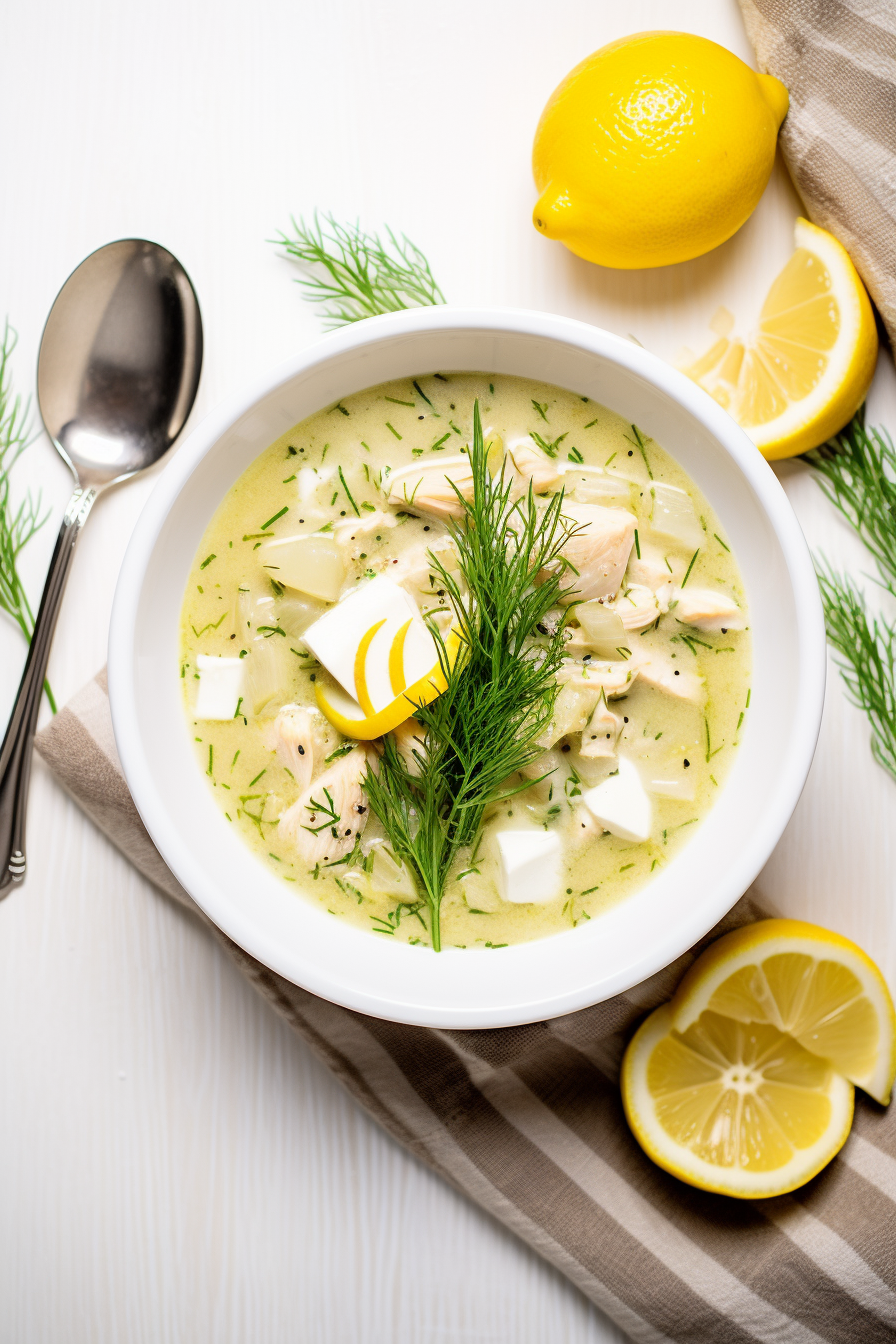
Non-starchy vegetables give you fibre, vitamins and volume for very few carbs. Good choices include spinach, kale, lettuce, rocket, cucumber, courgette, peppers, broccoli, cauliflower, cabbage, green beans, asparagus, mushrooms and bok choy. If raw salads feel heavy, try soups and well-cooked vegetables, which many people find gentler.
Fats: a little goes a long way
This is where GLP-1-friendly low carb differs from classic keto. Because these medicines slow down how fast your stomach empties, large or high-fat meals are more likely to cause nausea, reflux or diarrhoea. Use fat for flavour and fullness rather than as the main event:
- Olive oil, a few olives, avocado, a small handful of nuts or seeds.
- Cheese and cream in modest amounts.
- Go easy on fried food, very fatty cuts and “fat bomb” style snacks, especially early on and after a dose increase.
Fruit, dairy and extras
- Berries: raspberries, blackberries and strawberries are the lowest-carb fruits and add fibre.
- Chia seeds and ground flaxseed: easy fibre boosts for yoghurt or a pudding.
- Plain dairy: Greek yoghurt, cottage cheese, cheese and a splash of milk in tea or coffee.
You can check any food in our Is It Keto? food checker, which shows net carbs per serving from USDA data.
Drinks
Water, tea, coffee and broth all count towards your fluids. The NHS suggests 6 to 8 glasses of fluid a day as a general guide, and more in hot weather or if you’re active. The advisory says alcohol may worsen nausea and reflux on GLP-1 treatment and should be kept to a minimum.
What to limit
Cleveland Clinic lists sugary foods and drinks, refined carbs, highly processed snacks, very high-fat foods and spicy foods as the ones most likely to make side effects worse. The good news is that a low-carb diet already cuts out most of the sugary and refined ones. Read more in our guide to foods to avoid on a GLP-1.
A simple day of eating
- Breakfast: two bacon and egg cups or protein pancakes.
- Lunch: a bowl of Greek lemon chicken soup.
- Snack: Greek yoghurt with a few raspberries.
- Dinner: baked salmon with green beans.
For more ideas, see our high-protein, low-carb meals for GLP-1 users, and our complete guide to keto on GLP-1 medication.
Make it easy this week
Get our free 7-day GLP-1 friendly keto plan, with a prep-day guide and shopping list, or switch the meal planner to GLP-1 mode.
Sources
- Mozaffarian D, et al. Nutritional priorities to support GLP-1 therapy for obesity: a joint Advisory (ACLM, ASN, OMA, TOS). Am J Clin Nutr, 2025
- Cleveland Clinic. Can certain foods impact your Ozempic side effects?
- Cleveland Clinic. How to manage the digestive side effects of GLP-1 medications
- NHS. Water, drinks and hydration
- USDA FoodData Central
This article is general information about food and nutrition, not medical advice. GLP-1 medicines are prescription drugs: follow your prescriber’s instructions and talk to them or a registered dietitian before making big changes to how you eat, especially if you have diabetes, kidney disease or a history of disordered eating.