
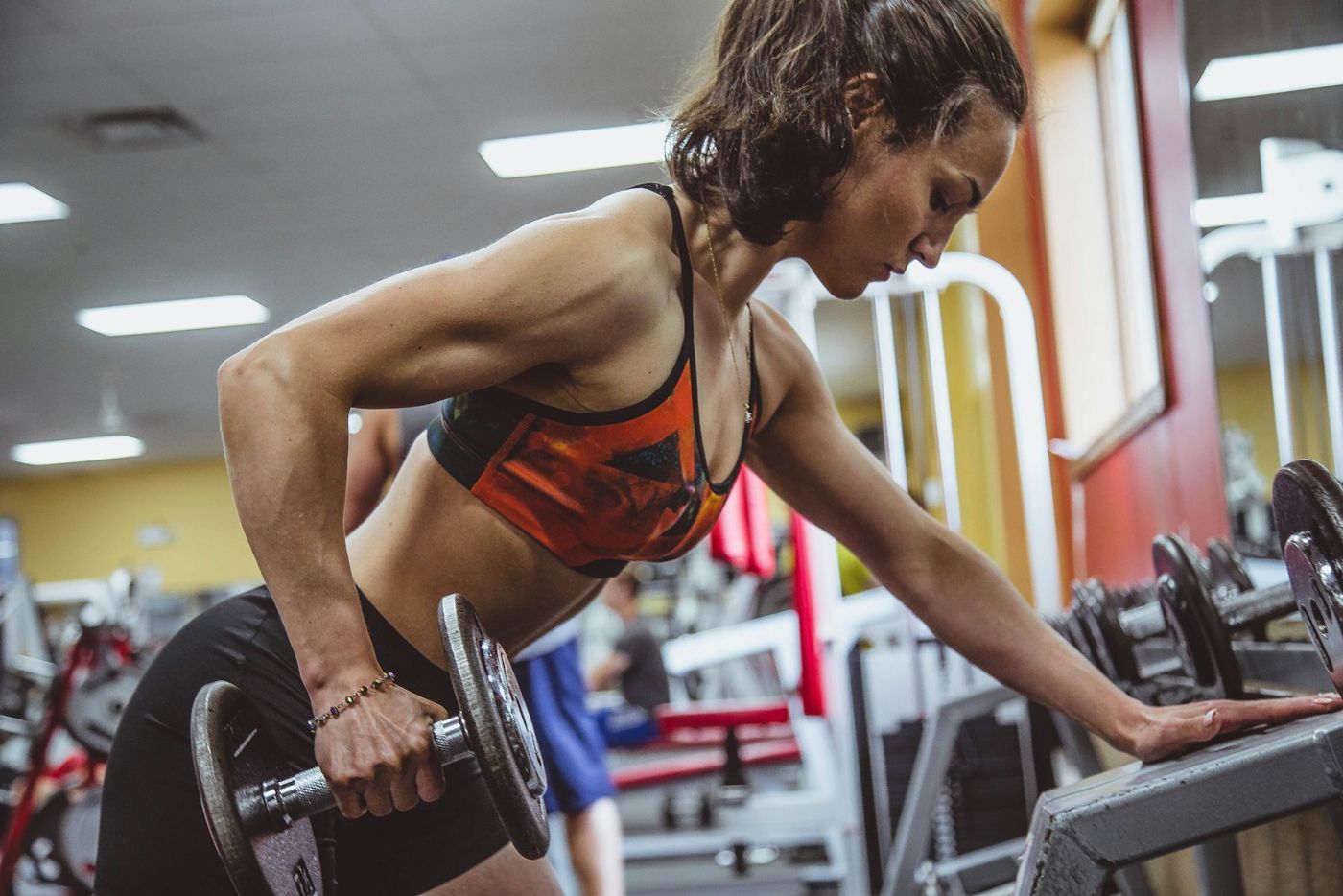
GLP-1 medicines can lead to big weight loss, but not all of that weight is fat. Some of it is muscle and other lean tissue, which matters for strength, metabolism and staying active as you get older. The good news: you can do a lot to protect it.
What helps most
- Strength training at least 3 times a week.
- At least 150 minutes of moderate activity, like brisk walking, every week.
- Enough protein: about 1.2–1.6 g per kg a day, or 80–120 g.
- Regular meals, even when you are not hungry.
How much muscle do people lose?
In the STEP 1 trial of semaglutide, a sub-study used body scans to measure where the weight came from. Of the average 13.6 kg lost, about 8.3 kg (62%) was fat mass and 5.3 kg (38%) was lean body mass. Lean mass includes muscle, but also water, organs and other non-fat tissue, so it isn’t all muscle. Even so, that’s a big share to lose.
The 2025 joint advisory on GLP-1 nutrition cites modelling estimates that, without structured strength training, muscle could make up around 10–15% of the weight lost in women and 20–25% in men.
1. Lift something, three times a week
The advisory recommends strength training at least three times a week, plus at least 150 minutes of moderate-intensity aerobic exercise. It’s clear that extra protein alone is probably not enough to protect muscle without the training.
You don’t need a gym. Bodyweight squats, wall or knee press-ups, resistance bands and carrying shopping bags all count when they challenge you. If you’re new to exercise, have health conditions or haven’t been active for a while, check with your doctor first and consider a few sessions with a qualified trainer or physio.
2. Get enough protein
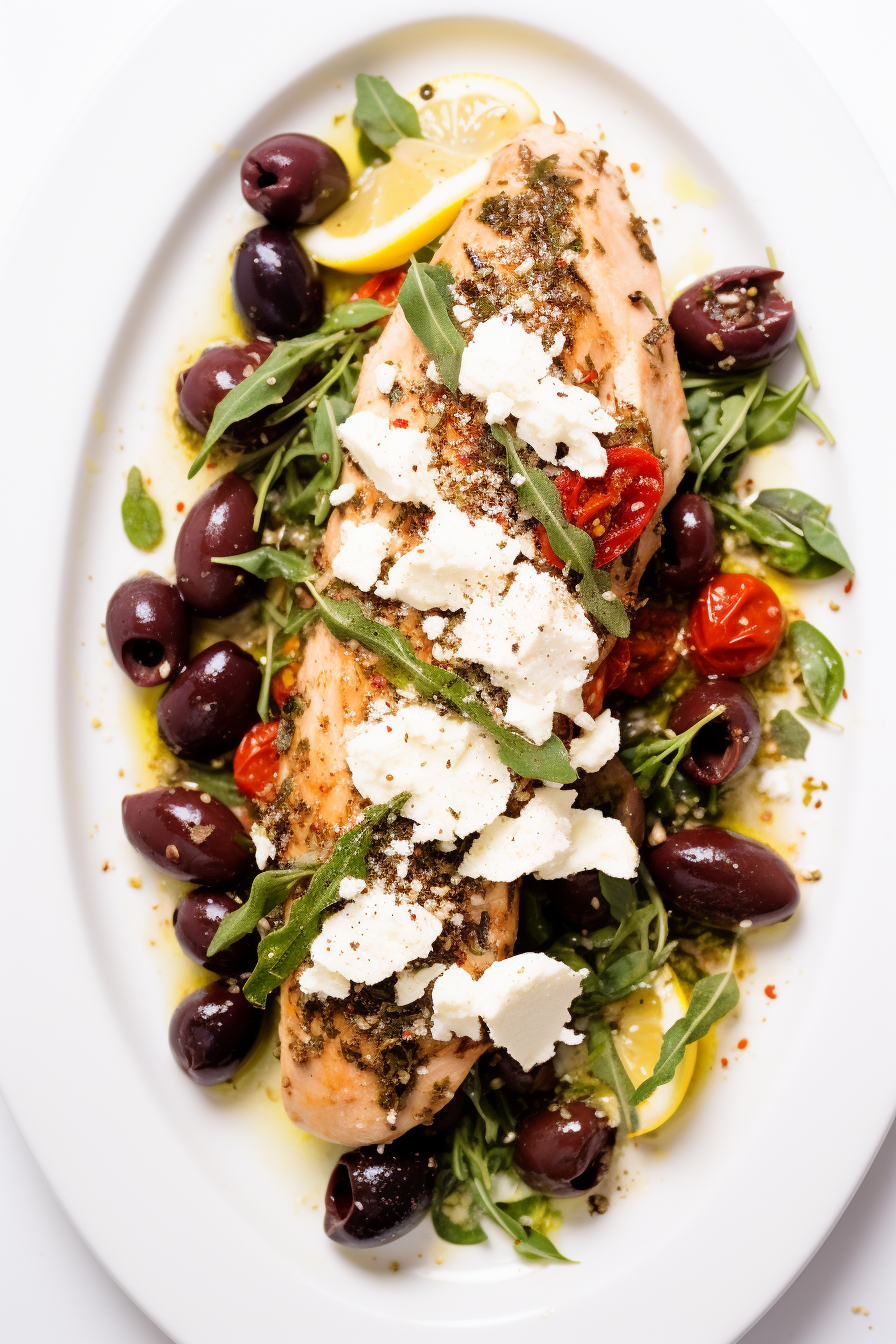
The advisory notes that targets of around 1.2–1.6 g of protein per kg of body weight a day have been proposed during weight loss, or a simpler 80–120 g a day. Spread it across your meals and eat it first. Our GLP-1 protein guide shows how to reach it on a small appetite, and the macro calculator works out your number.
3. Don’t skip meals
When your appetite is very low, it’s easy to go hours without eating. Regular small meals help you hit your protein and get the vitamins and minerals you need. The advisory lists iron, calcium, magnesium, zinc and several vitamins (including D and B12) as nutrients of concern for people eating much less.
4. Track how you feel, not just the scale
Notice whether everyday tasks, stairs or carrying things feel easier or harder. If you can, ask your clinician about body composition checks, which can show whether you’re losing fat or muscle.
For meal ideas, see our 12 high-protein, low-carb meals, and read the complete guide to keto on GLP-1 medication.
Make it easy this week
Get our free 7-day GLP-1 friendly keto plan, with a prep-day guide and shopping list, or switch the meal planner to GLP-1 mode.
Sources
- Wilding JPH, et al. Impact of semaglutide on body composition: exploratory analysis of the STEP 1 study. J Endocr Soc, 2021
- Mozaffarian D, et al. Nutritional priorities to support GLP-1 therapy for obesity: a joint Advisory (ACLM, ASN, OMA, TOS). Am J Clin Nutr, 2025
This article is general information about food and nutrition, not medical advice. GLP-1 medicines are prescription drugs: follow your prescriber’s instructions and talk to them or a registered dietitian before making big changes to how you eat, especially if you have diabetes, kidney disease or a history of disordered eating.