

Almost everyone on Ozempic hits a plateau: weeks where the scale stops moving even though nothing seems to have changed. Plateaus are normal. As you lose weight, your body needs less energy, and your appetite often creeps back. Before assuming the medicine has stopped working, it’s worth checking what’s on your plate.
This guide walks through the food causes of a plateau, a two-week reset, a high-protein 3-day menu, and when to talk to your prescriber.
Ozempic plateau, at a glance
In a nutshell
- Track what you eat and drink for two weeks; it usually reveals the cause.
- Check protein first: it keeps you full and protects muscle.
- Look for “invisible” calories: oils, sauces, nuts, coffee drinks, alcohol and weekend meals.
- Add strength training; muscle supports your metabolism.
- Don’t change your dose yourself; talk to your prescriber.
Why plateaus happen
A smaller body burns less energy, so the amount of food that produced weight loss at the start may simply maintain your weight now. Appetite often returns gradually too, and portions drift up without you noticing. Water retention, a new exercise routine, hormones and stress can all hide progress for a week or two.
The food audit: common causes
| Cause | Sign | Fix |
|---|---|---|
| Portion creep | Plates have quietly got bigger | Weigh or measure for a week to recalibrate |
| Low protein | Hungrier, snacking more | Protein at every meal; check your target below |
| Liquid calories | Lattes, smoothies, juice, alcohol | Swap to black coffee, tea, water; limit alcohol |
| Cooking fats and sauces | Generous oil, butter, dressings | Measure oil with a spoon; sauces on the side |
| Keto snacks | Nuts, cheese, fat bombs, keto sweets | Portion into bags; swap for higher-protein snacks |
| Weekends | Strict weekdays, loose weekends | Plan weekend meals like weekday ones |
| Too little food | Very low intake, tired, losing strength | Eat enough protein; ask a dietitian |
GLP-1 protein calculator
On Ozempic, Wegovy, Mounjaro or Zepbound? Your appetite shrinks, but your muscles still need protein. Find your daily target, how much to eat at each meal, and the smallest portions that get you there.
How to get 25 g of protein
Low-carb foods ranked for a small appetite. Each card shows how much you'd eat to hit one meal's protein.
Eating enough protein on a GLP-1
How we calculate your target
We use 1.2 to 1.5 g of protein per kg of body weight a day, the range recommended by the American Association of Clinical Endocrinology to help preserve lean mass during GLP-1 weight loss. A 2025 international consensus also advises more than 1.2 g/kg, spread across meals and paired with strength training.
- If your BMI is over 30 we use an adjusted body weight (your weight at BMI 25 plus 40% of the difference), so the target stays realistic.
- We start at 1.3 g/kg, then add a little for regular strength training and for age 65 and over, up to 1.5 g/kg. The minimum is 60 g a day.
- Your eating times follow your appetite: 3 meals if it's normal, 4 if it's smaller, 5 if it's very small.
This calculator is for general information and isn't medical advice. If you have kidney disease, are pregnant, or have been given a protein target by your doctor or dietitian, follow their advice instead.
A two-week plateau reset
- Days 1 to 3: track everything, including drinks, oils and bites while cooking.
- Day 4: find the gaps. Is protein under target? Are there liquid calories or big weekend meals?
- Days 4 to 14: fix one or two things, not everything. Start with protein and drinks.
- Add 2 strength sessions a week.
- Weigh on the same days and look at the weekly average, not daily numbers.
- Day 14: review. Still stuck? Book a chat with your prescriber or a dietitian.
High-protein reset menu
Lean, filling meals averaging 115 g of protein, 22 g of net carbs and 1,157 calories a day. For a full week, use the 7-day keto Ozempic meal plan.
| Day | Breakfast | Lunch | Dinner | Snack | Day total |
|---|---|---|---|---|---|
| Day 1 |

Low Carb Protein Pancakes30 g protein
|
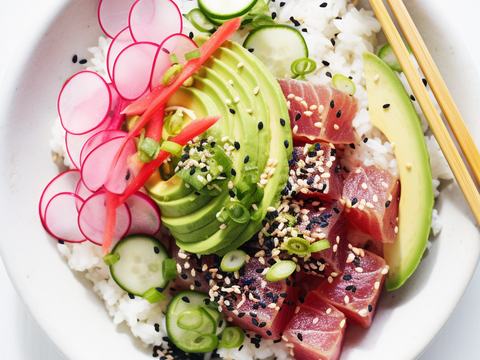
Keto Tuna Poke Bowl with Cauliflower Rice40 g protein
|
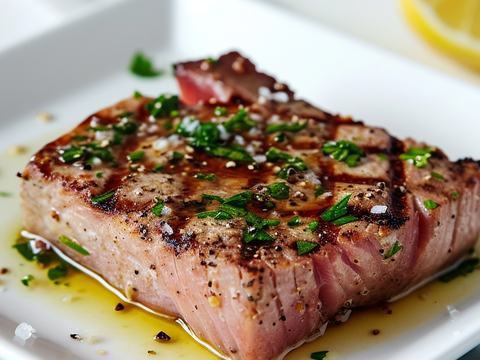
Succulent Grilled Tuna Steak44 g protein
1½ cups green beans3 g protein
|
½ cup cottage cheese13 g protein
|
129 g protein 21 g net carbs 1,312 kcal |
| Day 2 |
¾ cup Greek yogurt + berries15 g protein
2 hard-boiled eggs13 g protein
|
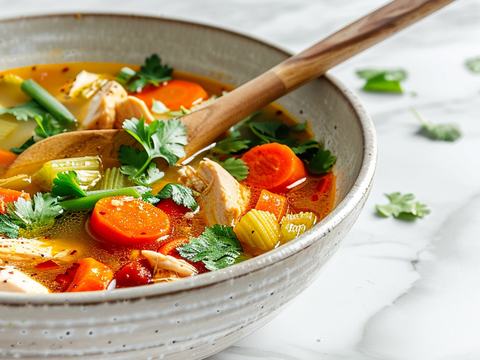
Keto Chicken and Vegetable Soup34 g protein
|
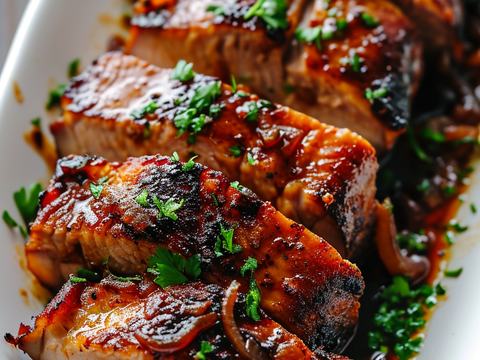
Crock Pot Pork Tenderloin36 g protein
1½ cups roasted broccoli4 g protein
|
127 g protein 26 g net carbs 1,194 kcal |
|
| Day 3 |
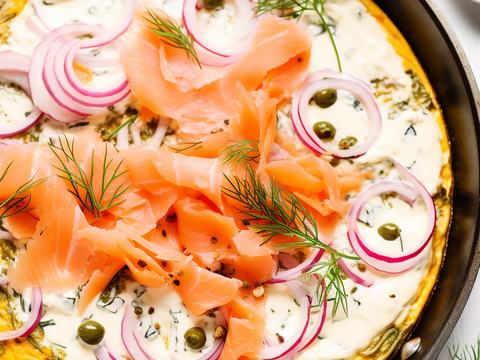
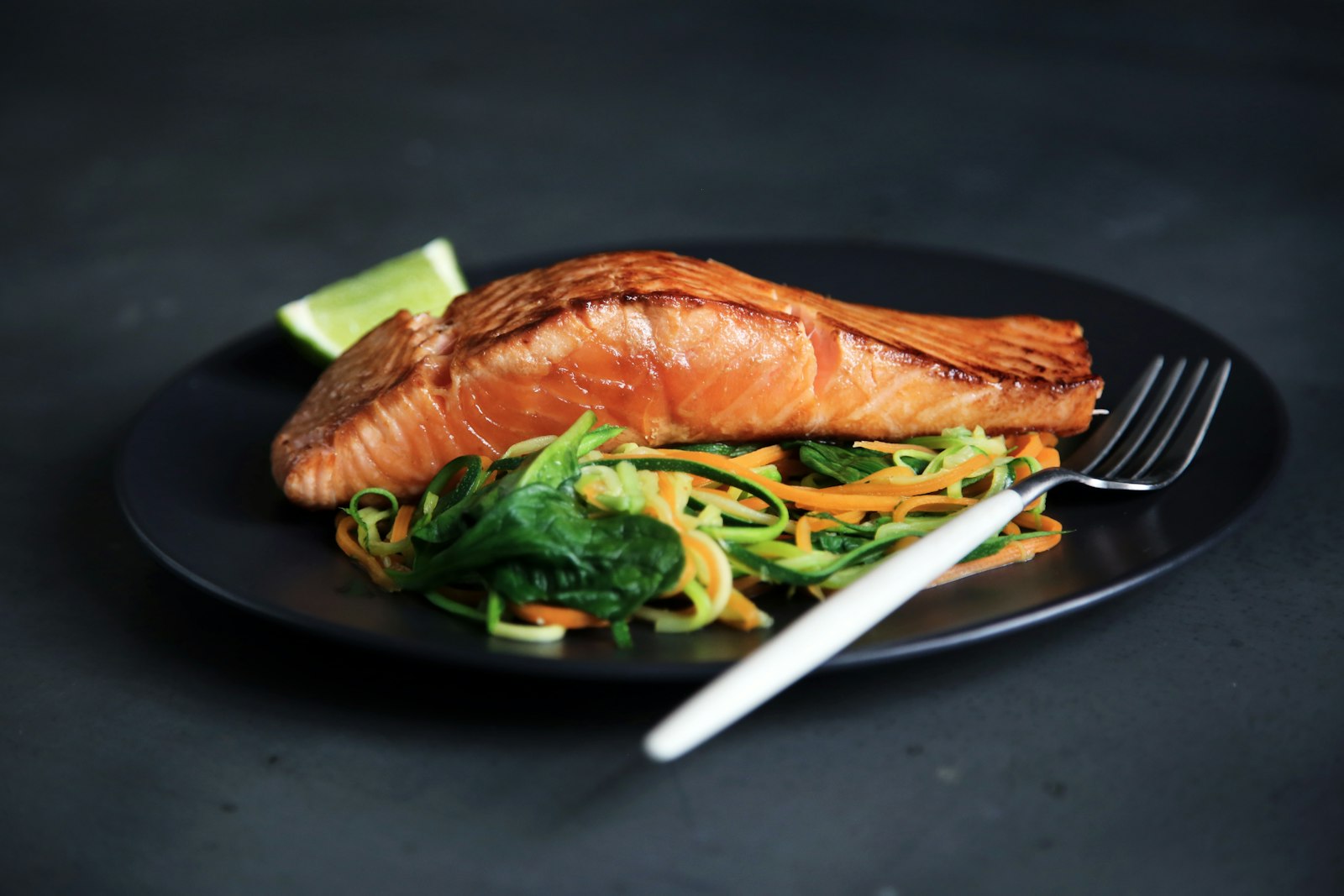
Keto Smoked Salmon Frittata17 g protein
|
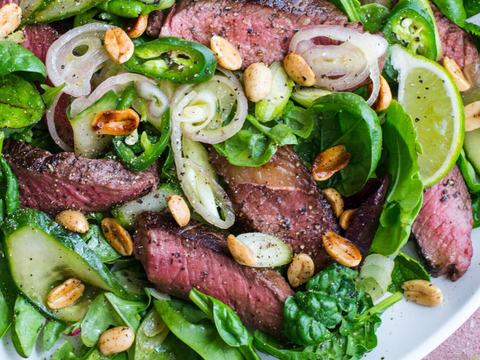
Keto Thai-inspired beef salad33 g protein
|
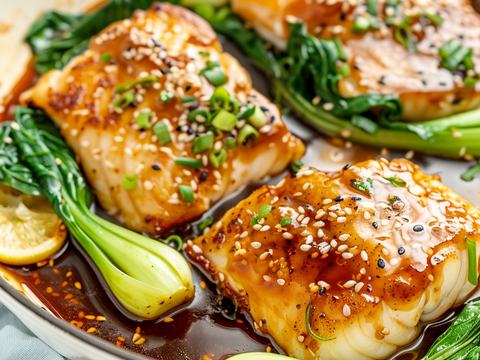
Asian-Style Keto Braised Cod with Bok Choy30 g protein
|
½ cup edamame9 g protein
|
89 g protein 18 g net carbs 965 kcal |
| Daily average | – | – | – | – | 115 g protein 22 g net carbs 1,157 kcal |
Beyond food
| Factor | Why it matters | Try |
|---|---|---|
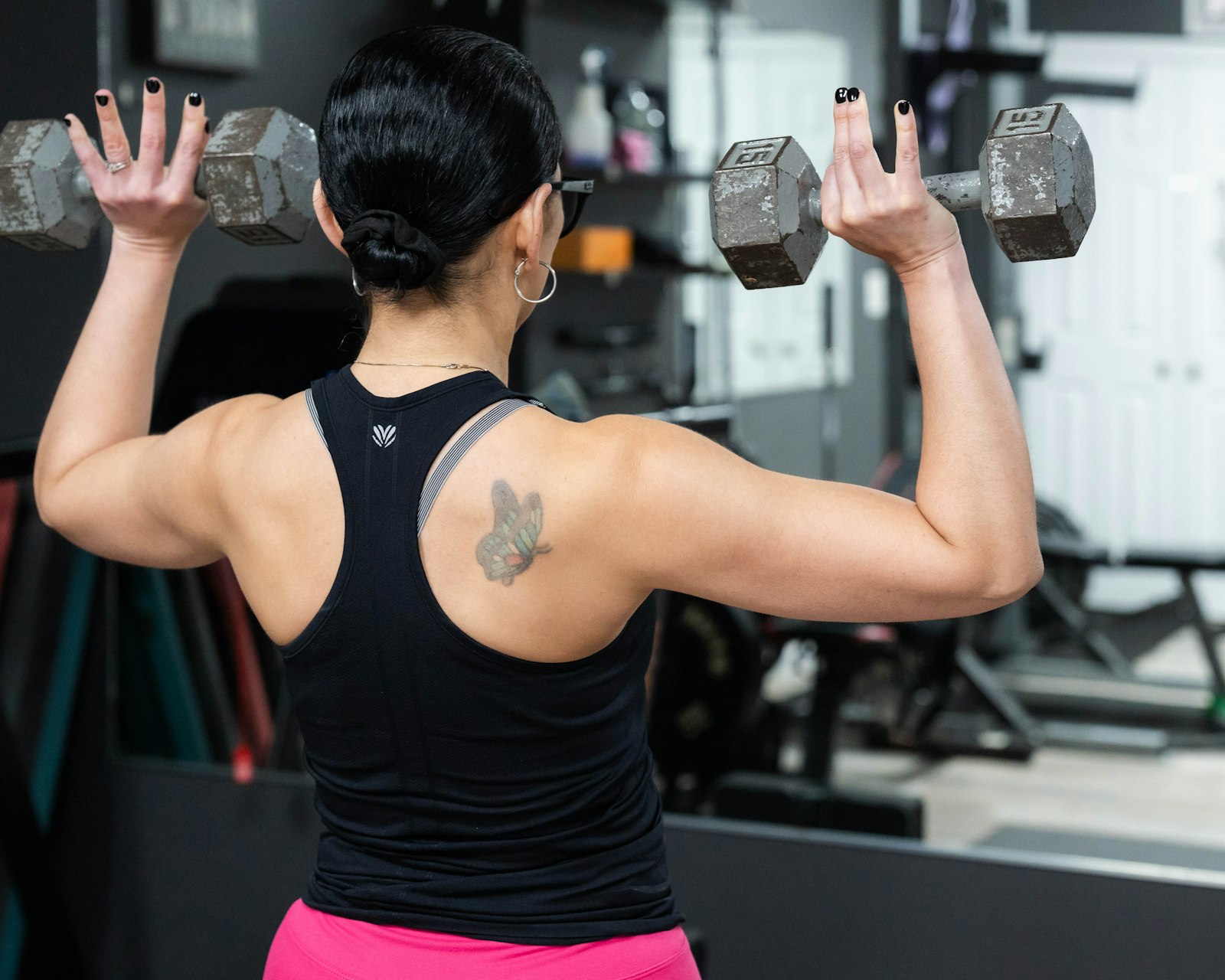
| Strength training | Muscle supports metabolism and strength | 2 to 3 sessions a week |
| Daily steps | Activity outside the gym adds up | A 20-minute walk after a meal |
| Sleep | Short sleep raises hunger | 7+ hours most nights |
| Stress | Stress can drive snacking | Plan snacks in advance |
When to talk to your prescriber
If weight hasn’t changed for a month or more after the food reset, if you’re eating very little and still not losing, or if you’re wondering about your dose, talk to your prescriber. Don’t change or stop your dose on your own. If you have diabetes, they may also look at your other medicines.
Ozempic plateau FAQs
Why have I stopped losing weight on Ozempic?
Plateaus are normal: a smaller body needs less energy, and appetite often returns gradually. Portion creep, low protein, liquid calories and weekends are common food causes.
How long does an Ozempic plateau last?
It varies. Many plateaus pass within a few weeks, especially after a food audit. If nothing changes for a month or more, speak to your prescriber.
Should I eat less to break a plateau?
Not necessarily. Eating too little can cost muscle. Check protein and hidden calories first.
Does keto help break an Ozempic plateau?
It can help some people by cutting easy-to-overeat carbs, but calories from fat still count. Keep protein high and fat moderate.
Should I increase my Ozempic dose if I plateau?
That’s your prescriber’s decision. Ozempic’s dose is set mainly for blood sugar control in type 2 diabetes.
Get a free GLP-1 friendly meal plan
Seven days of high-protein, low-carb meals in small portions, with a prep-day guide and shopping list. Or switch the meal planner to GLP-1 mode.
Sources
- FDA. OZEMPIC (semaglutide) injection: US prescribing information, revised May 2026
- Mozaffarian D, et al. Nutritional priorities to support GLP-1 therapy for obesity: a joint Advisory (ACLM, ASN, OMA, TOS). Am J Clin Nutr, 2025
- USDA FoodData Central
This article is general information about food and nutrition, not medical advice. Ozempic is a prescription medicine: follow your prescriber’s instructions, and talk to them or a registered dietitian before making big changes to how you eat, especially if you have diabetes, kidney disease or a history of disordered eating.